Beacon Heights homes carry character from the late 1940s and 1950s. Many still have traditional hard-coat stucco. Those exteriors hold up well, but Alberta’s freeze-thaw cycles push them hard. Window perimeters are the most common failure point. Small cracks open the door to water. That water freezes, expands, and breaks the bond in layers that should stay tight. By the time winter hits, hairline cracks can turn into bulging stucco, wet sills, peeling paint, and interior drafts.
Depend Exteriors helps homeowners in Beacon Heights and across North East Edmonton stop this cycle. As Beacon Heights AB stucco contractors, the team focuses on window and door transitions, where moisture likes to sneak in. The approach is simple and technical. Identify the failure, open it up to the substrate, dry and disinfect, rebuild with the right components, and finish with an acrylic or EIFS system that resists movement and moisture. Repairs are matched to the home’s age, architecture, and budget. The goal is a dry wall assembly that rides out winter without new cracks.
Why window areas fail first in Beacon Heights
Window openings are cut through the wall assembly, so they interrupt the stucco field. This introduces weak points at corners and along the casing. Older homes often lack modern flashing and proper weep screeds. Some even have wood windows with aging trim. Water finds these gaps, then runs behind the finish coat. During cold snaps, that hidden moisture freezes, expands, and forces the finish to lift. Over time, this causes delamination, efflorescence, and rot in the sheathing.
In Beacon Heights, the daily temperature swing in shoulder seasons can cross the freeze line more than once. That means repeated expansion and contraction. Traditional cement stucco is rigid. It does not like movement. Hairline cracks form at stress points, typically the 45-degree corners of window heads, the sill edge, and along casing beads. Acrylic stucco and EIFS handle movement better. Both add flexibility and can include insulation to reduce thermal bridging around windows.
Early signs to catch before snow
Homeowners often notice the same pattern. Light cracks radiate from window corners. Paint lines on wood trim start to peel. The stucco around a sill darkens after rain, then takes too long to dry. Granules show on the ground where the finish is breaking down. Inside, drywall near the window may bubble or stain. On the exterior, efflorescence shows up as a chalky white crust. That is mineral salt left behind by evaporating water in the stucco matrix.
Left alone, these signs shift to bulging stucco. The top coat may sound hollow when tapped. Caulking fails repeatedly because it is fighting movement in the wall. In winter, drafts at the jambs and sill signal heat loss. A thermal camera will show cold streaks and wet framing. At that stage, surface sealing does little. The assembly needs a controlled tear-back, drying, and a rebuild with drainage and flexible finishes.
What a proper window perimeter repair includes
Window stucco remediation is not just filling a crack. It is a small system rebuild. A dependable repair includes removal of loose material, inspection of the lath and sheathing, targeted framing repair if rot is present, and the addition of proper drainage and termination components. In Beacon Heights, that usually means installing high-grade weep screeds at the base of stucco transitions and forming a drainage plane that moves water out and away from the building wrap.
On traditional three-coat systems, the crew reinstalls lath, then scratch coat, brown coat, and an acrylic finish coat with fiber reinforcement. On EIFS, they add EPS board insulation, use a base coat with embedded fiberglass mesh, apply a primer, and finish with an acrylic texture. Both approaches need casing beads and sealant joints set to the right depth with proper backer rod. This joint design allows controlled movement so the finish does not split during freeze-thaw cycles.
Materials that handle Edmonton weather
Older cement-based stucco is strong in compression but weak with movement. Acrylic finishes offer elasticity and better color retention. EIFS adds insulation and a continuous drainage plane. For Beacon Heights bungalows and one-and-a-half-story homes, EIFS around windows can cut drafts and slow thermal bridging with minimal change to the exterior profile.
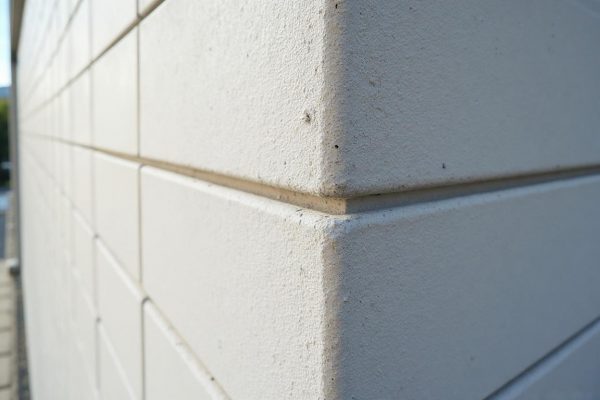
Depend Exteriors uses brand-name systems that work in Alberta. Imasco Minerals base coats bond well and cure consistently. Sto Corp acrylic finishes shed water and stay flexible. For higher performance, Dryvit EIFS packages bring excellent impact resistance and energy efficiency. These materials help resist delamination and improve long-term appearance. They also create a consistent barrier that reduces the chance of hidden water infiltration.
A focused plan for Beacon Heights homes built in the 1940s and 1950s
Homes from this era were framed with lumber that has now dried and moved. Settling shows up as stepped cracks along stucco joints and around openings. Many of these houses have minimal wall insulation and no modern building wrap behind the stucco. For those, an EIFS retrofit or targeted acrylic overlay around window perimeters can stabilize the assembly and add R-value where it counts. The crew can also address parging at the foundation line, which often shows efflorescence due to moisture wicking from grade.
The service typically starts with a full exterior inspection. This includes moisture meter checks and optional thermal imaging. The camera can reveal cold tracks around windows and any dark (wet) zones behind the finish. From there, the contractor outlines a scope: minor crack routing and acrylic finish where movement is light, versus tear-back and replacement where the base coats or lath have failed.
The role of drainage planes and weep screeds
Many Beacon Heights houses were finished before modern drainage details were common. Without a clear path out, water stays in the stucco assembly. That traps moisture against sheathing and can lead to mould growth or wood rot. Installing a drainage plane and weep screeds changes that. The drainage plane sits over the building wrap (Tyvek or similar) and behind the stucco or EIFS. It creates a thin air space so water can travel downward. The Beacon Heights AB stucco contractors weep screed at the base lets water exit. That simple path can prevent bulging stucco and reduce freeze-thaw damage.
Window heads and sills also benefit from proper casing beads and drip edges. The right beads keep a clean termination line and reduce cracking at the joint. A high-quality sealant, applied over backer rod with correct joint depth, stays flexible. This detail reduces the chance of early failure at the most stressed joint in the wall.
Common symptoms seen in North East Edmonton
Hairline cracks at window corners are the number one complaint. Delamination comes next, often tied to trapped moisture. Discolored parging along the base of the wall shows up as white streaks and crusts from efflorescence. In homes near Rundle Park where winds hit the wall face more directly, driving rain can push water into weak joints and speed up these issues. Houses near the Yellowhead Trail corridor may see more vibration and road spray, which also stress the finish.
Thermal bridging contributes to condensation around window frames during cold snaps. If the stucco or trim is not insulated or properly sealed, warm indoor air meets a cold surface and creates moisture. That moisture can then work its way into the finish coat. EIFS systems reduce that risk with continuous insulation and a controlled drainage path.
Tools and setup that make the difference
Window perimeter repairs often happen at ladder height, but for multi-story homes, safe access matters. Crews use scaffolding systems for stable footing and to keep finish textures even across larger wall areas. Industrial mixers keep base coats consistent in texture and cure. Stucco sprayers can apply an even acrylic finish on bigger surfaces so the blend area is seamless. Thermal imaging cameras help locate hidden wet spots before the first hammer swing. These tools reduce guesswork and help deliver a clean, durable repair.
What to do before winter hits
Homeowners in Beacon Heights should schedule an exterior check before temperatures drop. Focus on windows, doors, and foundation parging. If a sill stays damp after a dry day, or if the stucco sounds hollow, plan a repair. Surface caulking alone is a short-term patch if the base coats are failing. Early intervention saves money by avoiding interior drywall damage, mould growth, or full wall rebuilds once spring thaw exposes bigger issues.
Depend Exteriors offers a free professional stucco inspection and thermal imaging report for residential properties in T5W and T5A. The technician documents cracks, bulges, and moisture patterns. The report outlines options, from acrylic finish refresh with crack repair to targeted EIFS upgrades around problem openings.
Service scope: Beacon Heights and nearby neighborhoods
The team serves Beacon Heights, Beverly Heights, Abbotsfield, Rundle Heights, Highlands, and Montrose. Proximity to the Yellowhead Trail and Victoria Trail allows quick mobilization for projects near Abbottsfield Mall and Rundle Park. Service also extends across North East Edmonton and into Sherwood Park, St. Albert, and parts of Strathcona County. For map-pack relevance, projects are logged by postal codes, with many recent repairs completed in T5W and T5A.
Local conditions influence the spec. Homes closer to the river valley can see more wind-driven rain. Properties along busier corridors may collect more grime on textured finishes, which calls for acrylic coats that resist staining and wash clean. A site visit clarifies these needs so the repair plan addresses real conditions, not just generic assumptions.
The science of EIFS and acrylic stucco around windows
EIFS combines EPS board insulation, a base coat with embedded fiberglass mesh, and an acrylic finish. It is light, flexible, and energy efficient. Around windows, EIFS reduces thermal bridging and provides a stable substrate for sealant joints. With a drainage design, any water that enters exits quickly. Acrylic stucco, used as a finish coat over traditional base coats or EIFS, resists cracking and color fade. Paired with a primer, it creates a consistent seal and texture.
Key parts of a quality install include lath (where applicable), a scratch coat, a brown coat, and a finish coat for traditional systems. For EIFS, EPS board, mesh, base coat, and finish coat create the exterior shell. Casing beads define clean edges. Weep screeds move water out. Building wrap (Tyvek) and the drainage plane keep the substrate dry. Skipping any of these introduces risk. Getting them right makes a durable window perimeter that stands up to freeze-thaw cycles.
Brand authority and material choices that stand up in Edmonton
Depend Exteriors uses Imasco Minerals cement base coats and Sto Corp acrylic finishes on many Beacon Heights projects. These combinations have a track record in Canadian climates. For clients who want premium insulation and impact resistance, Dryvit systems work well, especially on exposed walls or homes facing open parks. The team also works with respected suppliers like Durabond Products, DuRock, Senergy, and coatings from AkzoNobel when a specific sheen or color match is needed.
Authorized access to these systems matters. It ensures proper primers, base coats, mesh weights, and finish textures come from a unified spec. This reduces mismatches and supports warranty coverage. With older stucco, color matching can be tricky. The crew often recommends a full wall finish if the patch zone is large. This avoids a visible halo and leaves the façade uniform.
What to expect during a window stucco repair
A typical repair runs in phases: assessment, tear-back, substrate drying and repair, rebuild, and finish. Neighbors will see scaffolding or ladders, a contained work area, and dust control. Work starts after utility checks and protection of landscaping. Thermal imaging may happen again mid-project to confirm the substrate is dry before the rebuild.
If rot is present, the team replaces or reinforces damaged sheathing and framing. Moisture sources such as failed flashing or missing head drip edges are corrected. New lath is fastened with proper corrosion-resistant fasteners. Base coats cure per spec, which can vary with temperature and humidity. Industrial sprayers or trowels deliver the final acrylic texture to match existing surfaces. The crew seals joints, verifies drainage paths, and cleans the site.
Energy efficiency, rebates, and practical gains
Window perimeter upgrades with EIFS or acrylic finishes can reduce drafts and heat loss. While exact savings vary, homeowners often notice warmer interior surfaces and fewer cold spots near sills. That comfort gain shows up fast during the first cold snap. Energy efficiency rebates may be available in some programs for exterior insulation improvements. The team can advise on current options and provide documentation for applications.
An EIFS band around windows does not add much thickness but delivers a thermal break where it matters. Combined with proper air sealing and new sealant joints, it can calm the stack effect in older homes, which reduces condensation and the mould growth that follows.
Parging repair at grade to protect the whole wall
Many Beacon Heights homes show cracked or stained parging along the foundation. Water wicks up from the soil and leaves salt behind. If the parging fails, water can enter the wall from below and show up as discoloration at the base of the stucco. Depend Exteriors replaces damaged parging, applies a suitable bonding agent, and uses a durable cementitious parge or acrylic-modified coat for better adhesion. In some cases, grading and downspout adjustments are part of the fix to divert water away from the wall.
Warranty, coverage, and why credentials matter
Depend Exteriors operates as a licensed and bonded contractor with WCB Alberta coverage and liability insurance. The company holds an A+ rating with the Better Business Bureau. Workmanship on finish coats and stucco remediation is backed by a 10-year workmanship warranty. Product warranties follow manufacturer terms. Clear documentation, before-and-after photos, and material batch records support both. These steps protect the homeowner and create a clean service trail for future maintenance.
Realistic timelines and what affects price
Most window perimeter repairs on a single façade take two to five days, depending on tear-back size, drying time, and weather. Larger EIFS retrofits around all windows can run one to two weeks. Costs vary with access, substrate condition, and finish selection. Acrylic finishes are mid-range. Full EIFS with insulation and mesh upgrades costs more but brings energy benefits. The inspection report lays out options and line items so homeowners can see trade-offs and pick what fits their goals.
Where local knowledge saves costs
In Beacon Heights, small details add up. Many houses still have older storm windows or aluminum retrofits that hold water at the sill. Removing these during the repair can solve a hidden leak path. Brick veneer accents sometimes meet stucco at window returns. That joint needs a specific sealant and backer to stay tight. Near busy roads like Yellowhead Trail, dust loads mean finishes with finer textures may show dirt sooner. A slightly coarser acrylic texture can hide grime and clean easier. These practical calls come from working on hundreds of North East Edmonton exteriors.
How to spot an urgent repair versus a watch item
- A hollow sound when tapping the stucco near a window suggests delamination and calls for tear-back soon. Efflorescence streaks that return after cleaning point to ongoing moisture intrusion that needs a drainage path, not just caulking. Hairline cracks under 1 mm with no moisture signs can be routed and coated before winter. Soft or punky wood at the sill, or a musty smell near a window, suggests substrate damage and should be opened up right away. Interior frost lines on cold mornings mark thermal bridging; an EIFS band can be a smart fix.
Why many homeowners switch from cement finish to acrylic or EIFS
Acrylic and EIFS reduce cracking because they move with the wall. In Beacon Heights, where mornings can start at -15°C and afternoons rise above freezing, that flexibility matters. Cement finishes tend to crack at stress points. With acrylic and proper joint design, the exterior stays tight. EIFS adds continuous insulation, which also quiets the home and smooths temperature swings around openings. For a street-facing façade, these upgrades pay off in comfort, lower maintenance, and better curb appeal.
Service promise for Beacon Heights homeowners
Depend Exteriors stands behind clear scope, clean work, and verifiable results. The crew documents moisture readings and provides a thermal imaging report with the free inspection. Materials come from trusted brands such as Imasco Minerals and Sto Corp. For higher-performance assemblies, Dryvit EIFS packages are available. The company services Beacon Heights and nearby neighborhoods across T5W, T5A, and T5B, with rapid response from locations near Yellowhead Trail and Victoria Trail.
Ready to fix stucco damage around windows before winter?
Depend Exteriors provides Beacon Heights AB stucco contractors who understand the specific needs of North East Edmonton’s post-war homes. The team repairs hairline cracking, bulging stucco, efflorescence, and delamination, and addresses water infiltration that causes mould growth and wood rot. Installations include drainage planes, building wrap integration, high-grade weep screeds, proper casing beads, and flexible acrylic finishes. For energy gains, EIFS upgrades add EPS board, fiberglass mesh, and an acrylic finish that stands up to freeze-thaw cycles.
Request a free professional stucco inspection and thermal imaging report. Get a clear plan for your windows and wall assemblies. Protect your home now, so winter is a non-event for your exterior. Contact Depend Exteriors for a same-week visit in Beacon Heights, Beverly Heights, Abbotsfield, Rundle Heights, and surrounding areas.
Frequently asked questions
How long does a typical window perimeter repair take in Beacon Heights? Most single-window zones take one to two days from tear-back to finish, depending on drying and temperature. Larger façade repairs run two to five days.
Can acrylic match the texture and color of my existing stucco? Yes, in most cases. Acrylic finishes come in a range of textures and colors. For large patches, a full wall coat delivers the best blend.
Will EIFS make my window trims look bulky? No. A targeted EIFS band adds minimal thickness. It usually reads as a crisp, finished edge once coated.
Is winter a bad time for repairs? Exterior coatings have temperature limits. Fall is ideal. In shoulder seasons, crews can work within product specs using cold-weather additives and planning. Mid-winter repairs are case-by-case.
What warranties apply? Depend Exteriors provides a 10-year workmanship warranty. Manufacturer warranties apply to Imasco, Sto, and Dryvit systems per their terms.
What areas do you serve? Beacon Heights, Beverly Heights, Abbotsfield, Rundle Heights, Highlands, Montrose, and wider North East Edmonton. Service also extends to Sherwood Park, St. Albert, and Strathcona County.
Are you insured and covered by WCB Alberta? Yes. The company holds full liability insurance and WCB Alberta coverage and maintains an A+ affordable stucco services Beacon Heights BBB rating.
What equipment do you use? Projects use scaffolding systems, industrial mixers, and stucco sprayers for even finishes. Thermal imaging cameras help detect leaks and wet substrates.
Which issues should I watch for right now? Look for hairline cracks at window corners, dark patches after rain, chalky efflorescence on parging, and hollow-sounding stucco near sills. Any of these call for an inspection.
Ready to secure your home before the first hard freeze? Schedule your free exterior estimate with Depend Exteriors today.
Depend Exteriors are Damage Stucco Repair Experts in Edmonton, AB
Depend Exteriors provides hail damage stucco repair across Edmonton, AB, Canada. We fix cracks, chips, and water damage caused by storms, restoring stucco and EIFS for homes and businesses. Our licensed team handles residential and commercial exterior repairs, including stucco replacement, masonry repair, and siding restoration. Known throughout Alberta for reliability and consistent quality, we complete every project on schedule with lasting results. Whether you’re in West Edmonton, Mill Woods, or Sherwood Park, Depend Exteriors delivers trusted local service for all exterior repair needs.
Depend Exteriors
8615 176 St NW
Edmonton,
AB
T5T 0M7
Canada
Phone: (780) 710-3972
Website: dependexteriors.com | Google Site | WordPress